A recent interview with renowned psychologist Uta Frith published on the website TES — a weekly magazine previously linked to The Times newspaper — has sparked strong reactions among autistic communities around the world since its publication on March 4.
In the interview, Frith states that she no longer believes autism is a spectrum, arguing that the concept has expanded to the point of “collapse.” The German scientist refers especially to the increase in diagnoses among adults with low support needs, commonly described as Level 1 autistic individuals.
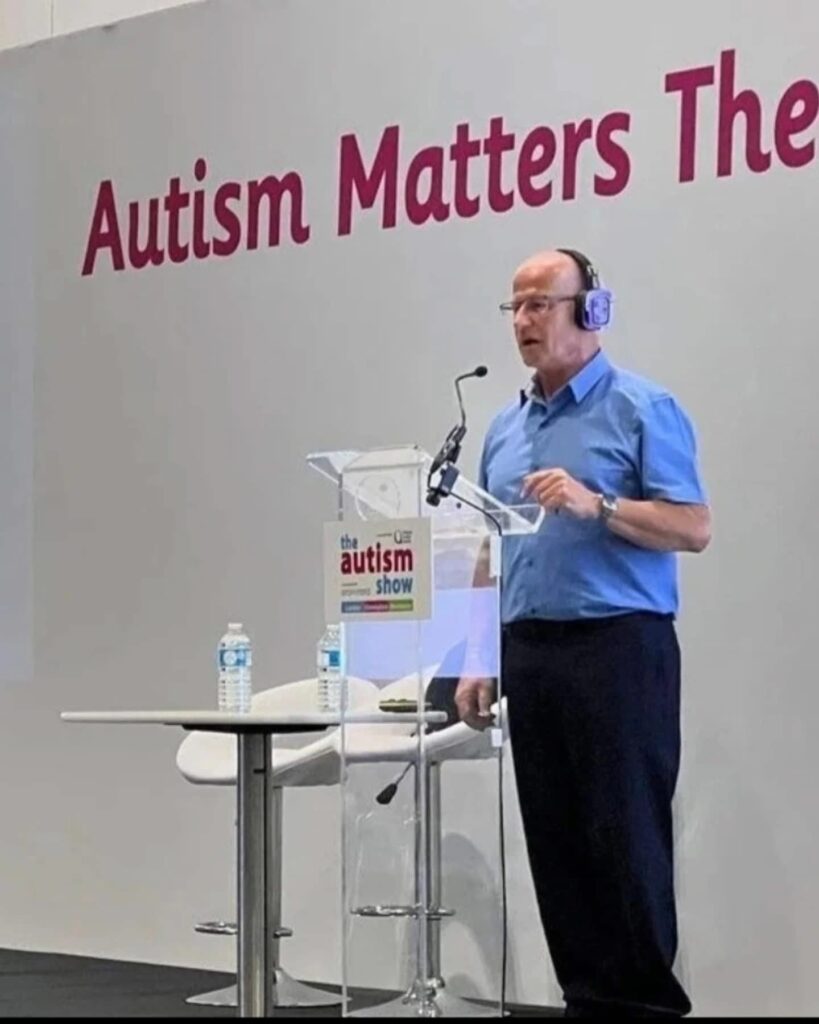
An emeritus professor of Cognitive Development at the Institute of Cognitive Neuroscience at University College London (UCL) and a pioneer in research that shaped the contemporary understanding of autism, Frith surprised autistic people who for decades felt represented by her work. Among them is British activist Brian Bird, who participated in the documentary Living with Autism (BBC Horizon, 2014), created by Frith to address late diagnosis in autistic adults.
Brian Bird, autism advocate
“The documentary was very well made and amplified many autistic voices. Uta created it to show society how diverse the spectrum is,” Brian says. “Reading this interview today makes me sad. It seems to contradict her own previous work and research.”
Expanded Criteria
During the interview, the scientist expresses concern about the growing number of diagnoses among adults with Level 1 support needs. According to Frith, although the basic definition of autism has remained the same over the years — a lifelong neurodevelopmental condition involving difficulties in social communication and restricted behavior — the interpretation of that definition has led to an approach different from what society has come to see as “inclusive.”
“We (society) have broadened the criteria to include less typical cases. This created space for the idea that autism is not a simple category but a spectrum. However, that becomes very difficult, because what would be notable within such a vast spectrum to which we all belong? We are all neurodiverse; we all have different brains. But that makes a medical diagnosis completely meaningless,” Frith said.
Contradicting statements accumulated over decades of autism research — when she developed the Weak Central Coherence Theory and collaborated with scientist Simon Baron-Cohen on articles about Theory of Mind — Frith now claims that there is no longer a common element capable of uniting all manifestations of autism within a single spectrum.
She goes further: suggesting that people without intellectual disability should not be considered autistic but rather “hypersensitive,” and downplaying the concept of masking, arguing that it is a universal behavior and not something specific to autistic people.
Among her most controversial remarks, Frith defends the idea that only autistic people with intellectual disability — classified as Level 3 support needs — should receive the diagnosis.
Reaction from the Autistic Community
The statements were received as a step backward by activists and people diagnosed later in life. For many, Frith’s comments delegitimize real experiences and threaten recent achievements in rights, recognition, and access to support.
Level 1 autistic individuals have expressed indignation in blogs and social media posts. Some point out that the interview coincides with the release of the psychologist’s new book, raising suspicions that the controversy may have been intentional in order to promote the publication.
Neurodiversity at Risk?
For defenders of neurodiversity, the shift in position by one of the most influential figures in the field represents a significant risk. If her view gains academic traction, thousands of people who found in diagnosis an explanation for lifelong challenges may once again be pushed into invisibility.
Neurodiversity, activists emphasize, is not merely an inclusive concept, but a tool of identification and validation for divergent minds seeking understanding and support — not exclusion.
What Happens to Those Left Without a Name?
The controversy revives a central question: how should adults without intellectual disability be classified when their social, sensory, and behavioral difficulties are real, though less visible?
Eliminating the term “autism” for this group does not eliminate their challenges. On the contrary, it may compromise access to rights, accommodations, and treatments that today depend on a formal diagnosis.
Beyond the emotional impact, there are also important legal implications. For many Level 1 autistic individuals, clinical recognition has been the foundation for claiming support and securing quality of life.
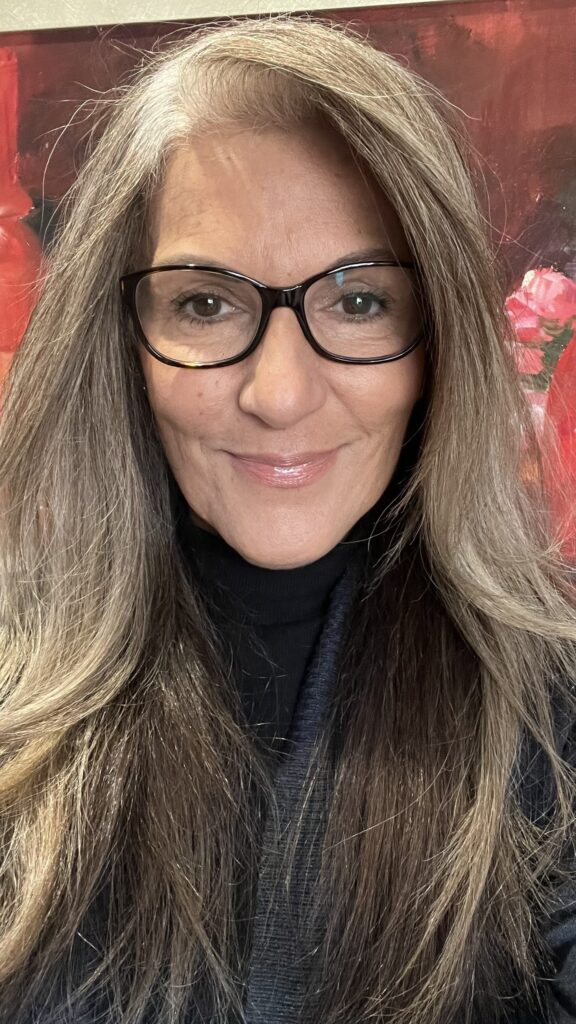
Fatima de Kwant – Brazilian journalist living in the Netherlands
Fatima Kwant is a Brazilian journalist and published author living in the Netherlands. She is an autism advocate, author of autism-related articles, and the creator of the International Autimates Project – Overcoming Prejudice with Information. Fatima's youngest child (28 years old) was previously diagnosed with severe autism. In 2011, this diagnosis was revised to ASD-Level 1 (mild autism). Fatima is also an expert in many aspects of the Autism Spectrum, particularly Autism & Social Communication.